
News from NeuroEM
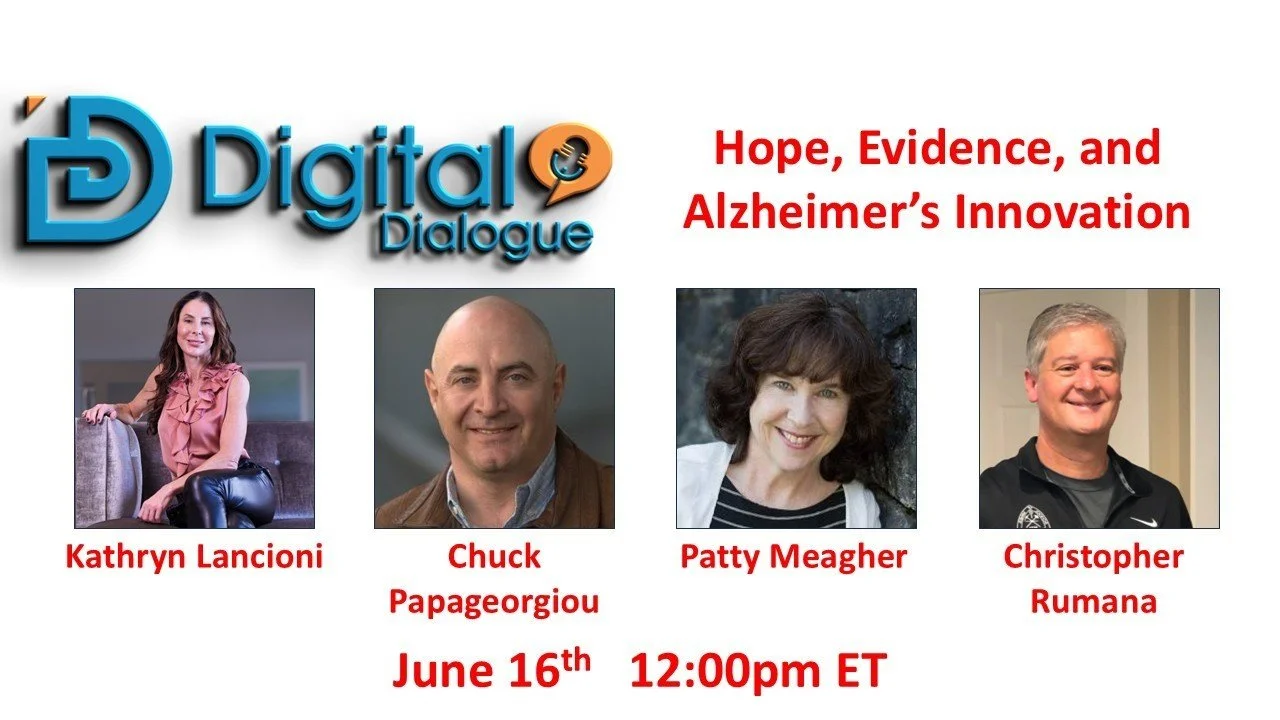
Digital Dialogue: Hope, Evidence, and Alzheimer’s Innovation
Published: June 16, 2026, Institute for Digital Transformation
(S04E04)
This episode focuses on the urgent and evolving topic of brain health.
Exploring both emerging technologies and personal experiences, the discussion examined the current state and future directions for Alzheimer’s research, care, and prevention.
The session highlighted practical strategies for preserving brain health, the impact of social connection, and advances in neuromodulation therapies.
𝗛𝗼𝘀𝘁:
Kathryn Lancioni / kathrynlancioni335
𝗚𝘂𝗲𝘀𝘁𝘀:
Patty Meagher / pattymeagher
Chuck Papageorgiou / papageorgiouchuck
Christopher Rumana / christopher-rumana-21b53a189
Key Insights
𝗠𝘂𝗹𝘁𝗶𝗽𝗹𝗲 𝗳𝗮𝗰𝘁𝗼𝗿𝘀 𝗱𝗿𝗶𝘃𝗲 𝗯𝗿𝗮𝗶𝗻 𝗵𝗲𝗮𝗹𝘁𝗵: Brain health was explained as being influenced by chemistry, biology, physics, environmental influences, and behaviors. Historically, most investments focused on chemistry and biology, but growing interest in environmental and physical factors marked a shift in current approaches.
𝗔𝗹𝘇𝗵𝗲𝗶𝗺𝗲𝗿’𝘀 𝗮𝗻𝗱 𝗱𝗲𝗺𝗲𝗻𝘁𝗶𝗮 𝗮𝗿𝗲 𝗴𝗹𝗼𝗯𝗮𝗹 𝗰𝗵𝗮𝗹𝗹𝗲𝗻𝗴𝗲𝘀: The discussion revealed that these conditions appeared across all regions and demographics, with no clear pattern or singular cause, emphasizing the universal nature of the problem.
𝗦𝗼𝗰𝗶𝗮𝗹 𝗰𝗼𝗻𝗻𝗲𝗰𝘁𝗶𝗼𝗻 𝗲𝗻𝗵𝗮𝗻𝗰𝗲𝘀 𝗯𝗿𝗮𝗶𝗻 𝗵𝗲𝗮𝗹𝘁𝗵: Social engagement, supportive families, and maintaining routines were highlighted as vital for mental well-being and quality of life among older adults.
𝗘𝗺𝗲𝗿𝗴𝗶𝗻𝗴 𝘁𝗿𝗲𝗮𝘁𝗺𝗲𝗻𝘁𝘀 𝗮𝗻𝗱 𝘁𝗵𝗲 𝗻𝗲𝗲𝗱 𝗳𝗼𝗿 𝗲𝘃𝗶𝗱𝗲𝗻𝗰𝗲: While innovative non-drug interventions were discussed, the need for scientific evidence and regulatory oversight was emphasized due to the prevalence of unproven wellness products in the market.
Fun Fact
Scientists set out to prove if cell phones cause brain cancer. They found out they don’t but also stumbled upon a new way to use radio frequencies to possibly help treat Alzheimer’s! Sometimes science surprises everyone.
Expert Advice
𝗖𝗵𝗿𝗶𝘀𝘁𝗼𝗽𝗵𝗲𝗿 𝗥𝘂𝗺𝗮𝗻𝗮 emphasized that prevention was far easier than regaining lost brain function, stressing the importance of attending to overall health and remaining socially and cognitively active. He encouraged listeners to keep a schedule and stay engaged to maintain both mental and physical well-being.
𝗖𝗵𝘂𝗰𝗸 𝗣𝗮𝗽𝗮𝗴𝗲𝗼𝗿𝗴𝗶𝗼𝘂 highlighted the evolving challenges of brain health in a digital age, suggesting that excessive reliance on AI for cognitive tasks could eventually impact mental vitality. He advised finding ways to keep the brain exercised and engaged, stating that brain health was growing in complexity and required multidimensional attention.
𝗣𝗮𝘁𝘁𝘆 𝗠𝗲𝗮𝗴𝗵𝗲𝗿 advised caregivers to take wellness therapies seriously, especially since those providing care were themselves statistically more likely to develop dementia. She stressed the importance of starting preventative brain health measures early for better outcomes later in life.
𝗞𝗮𝘁𝗵𝗿𝘆𝗻 𝗟𝗮𝗻𝗰𝗶𝗼𝗻𝗶 summarized that maintaining brain health depended on staying active, fostering a sense of community, and having a daily sense of accomplishment. She echoed the recommendation to do what feels most difficult—such as exercise or engagement—on days when motivation was low, as that was when it mattered most.
Watch the Replay
Watch the replay to gain firsthand strategies from industry leaders and personal stories from caregivers tackling Alzheimer’s and brain health.
Viewers will come away with practical tips for supporting their own cognitive longevity, insights into promising innovations in brain science, and a renewed focus on the power of community and technology for lifelong well-being.
This episode Sponsored by: NeuroEM Therapeutics https://www.neuroem.com/
For more information about the Institute for Digital Transformation https://www.institutefordigitaltransformation.org/