

Transcutaneous Electrical Nerve Stimulation (TENS)
Transcutaneous Electrical Nerve Stimulation Defined
(TENS)
What Is
Transcutaneous
Electrical Nerve
Stimulation?
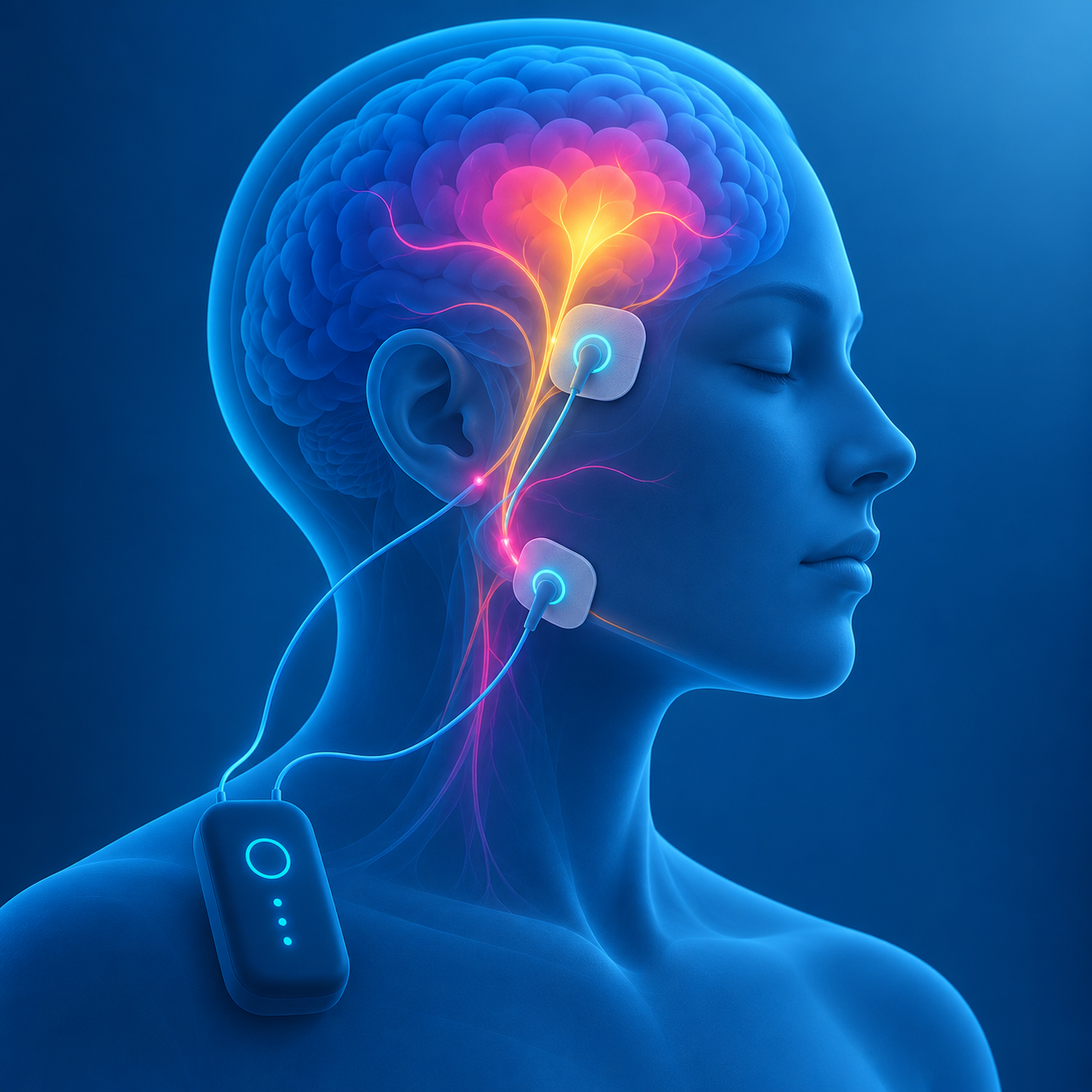
Transcutaneous Electrical Nerve Stimulation (TENS) delivers low-voltage electrical currents to stimulate nerves and manage pain. Electrodes are applied to the skin near the area of pain or discomfort, and deliver pulses of electrical currents as controllable speeds and intensities.
What Does TENS Treat?
TENS is widely used for pain management and relief, including acute or chronic pain from conditions like musculoskeletal pain, arthritis, nerve injury, and post-surgical pain.
TENS Mechanism of Action
TENS involves the application of electrical impulses through electrodes placed on the skin to stimulate sensory nerve fibers. The device generates adjustable electrical pulses to reduce pain and discomfort through several methods:
Gate Control Theory: Electrical stimulation interferes with pain signals transmitted to the brain by “closing the gate” in the spinal cord.
Endorphin Release: Stimulates the production of natural pain-relieving chemicals like endorphins.
Improved Blood Flow: Increases circulation, which may contribute to healing and pain relief.
TENS Targeted Brain Regions
Transcutaneous Electrical Nerve Stimulation (TENS) primarily stimulates peripheral nerves, with potential indirect effects on brain regions involved in sensory processing, pain regulation, and cognition.
Somatosensory Cortex: Processes sensory signals from peripheral nerves, with studies observing changes in brain activity following TENS.
Thalamus and Brainstem: Involved in sensory processing and pain regulation, with neural pathways that may be influenced by peripheral nerve stimulation.
Hippocampus and Basal Forebrain: Memory-related regions hypothesized to be indirectly influenced by TENS, particularly in Alzheimer's disease research.
Is TENS FDA Approved?
FDA-cleared TENS devices have specific labeled indications for symptomatic pain relief.
Chronic Pain: Such as back pain, neck pain, and osteoarthritis.
Acute Pain: Post-surgical or injury-related pain.
Nerve Pain: Conditions like sciatica and peripheral neuropathy.
Muscle Pain and Spasms: Especially after physical exertion or trauma.
TENS devices are often available over the counter or by prescription for specific conditions.
Can TENS Treat Alzheimer’s?
Research varies on the viability of TENS as a treatment for Alzheimer’s disease. Some studies found benefits in cognitive functions or neuropsychological symptoms, while others found no measurable improvements. Due to this inconsistency and the methodological variability across clinical trials, more research is needed.
-
Studies have investigated whether TENS applied through skin electrodes can indirectly influence brain pathways involved in memory and cognition. Proposed mechanisms include:
Neurotransmitter Modulation: May influence the release of neurotransmitters involved in memory and neural communication.
Neural Activation: May stimulate brain pathways associated with memory and potentially support neuronal health, although effects on neurodegeneration and regeneration remain unproven.
-
The effect of TENS on Alzheimer’s has been researched for decades, but the clinical evidence is still quite limited. Reviews of clinical trials cite small sample sizes, conflicting results, and a potential risk of bias, but suggest it is promising enough to warrant more research.
How does TENS compare to TEMT-RF?
Transcutaneous Electrical Nerve Stimulation (TENS) and Transcranial Electromagnetic Treatment with Radio Frequencies (TEMT-RF) are fundamentally different technologies with distinct purposes.
TEMT-RF uses ultra-high frequency radio waves to modulate brain function and cellular activity delivered through a non-invasive wearable headset.
Transcutaneous Electrical Nerve Stimulation (TENS) uses low-voltage electrical currents to stimulate nerves and manage pain delivered through surface electrodes.
Learn more about
Transcutaneous Electrical Nerve Stimulation
Transcutaneous Electrical Nerve Stimulation Products
Transcutaneous Electrical Nerve Stimulation Research
Alzheimer’s Research
Other Research
External links are provided for reference only and do not imply affiliation, endorsement, or recommendation by NeuroEM Therapeutics. NeuroEM is not responsible for the content, accuracy, or claims made on external sites. All trademarks and copyrights are the property of their respective owners.